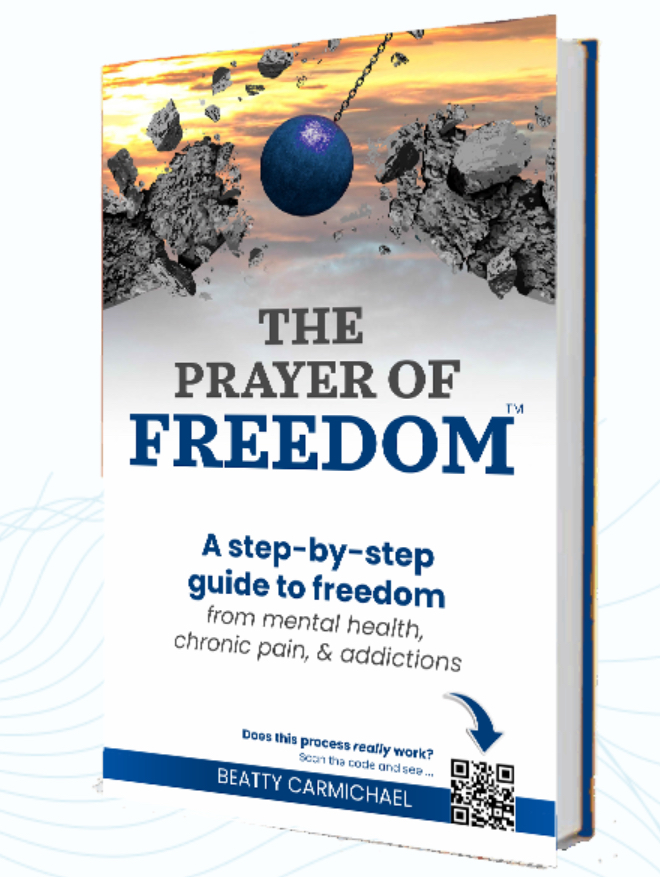
So – I’m a Christian, I think God was very closely involved in my cancer and the excellent outcome I had from it, and I believe in the supernatural and preternatural world. So what’s the problem with reading a Christian book about healing?
The thing is, I wouldn’t have given this book any time at all maybe 10 years ago, or even more recently than that. Because I took a much looser understanding of God’s involvement in any healing process. Of course God can heal, and sometimes he does. I’ve read the Bible. I guess I’ve seen so many wonderful Christian believers pray for healing and not be healed: I think that was the sticking point for me. I think I would have been guilty of hanging onto a rational cynicism and the dignity of maintaining a culturally material worldview by praying ‘God, if it’s your will, please heal…’, that sort of thing. It’s a lot safer for my dignity, I don’t really risk any feeling or appearance of foolishness when God doesn’t do anything, to take a more rational approach and say that I didn’t really expect him to anyway.
There is a problem with this approach, especially for me now that I have seen what God can do, and also now that I’ve seen, met and read about people who don’t have any Christian faith at all receiving spiritual healing. What’s going on? Could my worldview hold?
Well – no, not really. It needed to change.
The thing is, God is much bigger than we think he is. So there are simply universal laws and realities about how the world works, how our bodies work, how our emotions and spiritual senses connect with our bodies, and how disease really can back away, reverse itself for no outwardly apparent reason, and never come back.
I think that Beatty Carmichael is tapping into these with his book. It’s written expecting miracles. It’s also written expecting a full-self ‘everything on the table’ exposure towards God, whether the reader has Christian faith or not: a willingness to turn away from anything, even our most preciously-held ways of being, if they are connected with sickness. Not for the faint-hearted!
He talks about the work of demons, ‘spiritual laws’ and how to be truly free. It is very enthusiastic language and can bring out the cynic in the reader, at least the English reader from a less miracle-expecting type of church or spirituality. I have found it helpful to remember that I don’t have any problem reading about the work of demons from somebody more educated and restrained in their register and tone, such as CS Lewis in ‘The Screwtape letters’, for example, where the particular characters are also conveniently fictional. So am I being a snob here? Is my spirituality actually subject to a materialist worldview that sounds more rational in the modern age? (Er.. yes.) Ok, I need to put that particular bit of pride down and give this a go, I think!
I am finding as I finish working through this book that I have had only very minor difficulties in seeing past the language, and have considered it very helpful indeed, not least the connection between deep-seated change of self and direction (the Biblical word for this is ‘repentance’) and healing.
I don’t particularly tie myself to his specific wording as fundamentally necessary, but I have nevertheless found his scripted prayers pleasant and clear, helpful to say and entirely consistent with my understanding of the Bible and also with my understanding of how God heals.
And having done some of this sort of process already, I am feeling some emotional shifts as I get towards the end of the month of specific prayers over each area of my life. It’s like a Christian understanding of what the Root Cause Institute teaches.
If you would like to take a whole-self approach to healing and want to do it on your own, I would recommend this book.
 Lyndsey Simpson, cancer coach and psychotherapist